
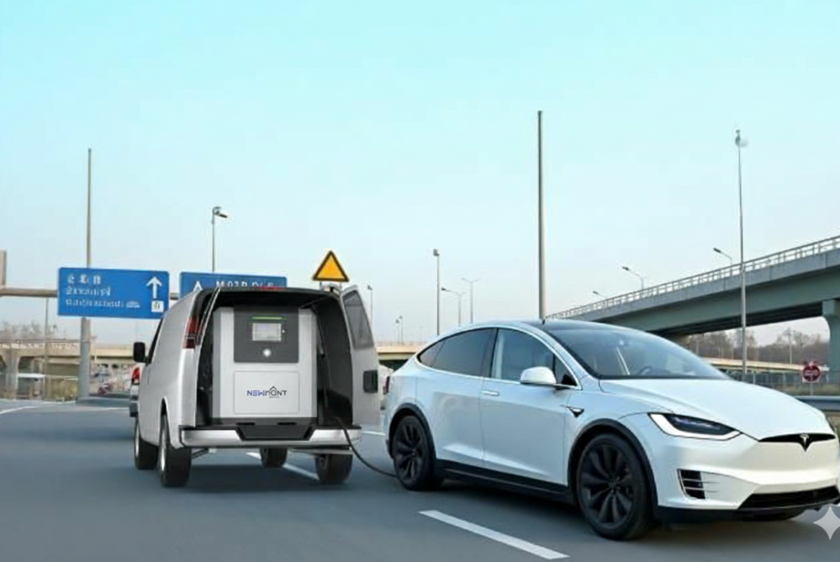
The United Arab Emirates is rapidly becoming one of the leading countries in the Middle East for electric vehicle adoption. Rising fuel prices, increasing environmental awareness, government sustainability initiatives, and expanding EV charging infrastructure are encouraging more residents and businesses to switch from traditional petrol-powered cars to electric vehicles (EVs).
For many drivers in the UAE, one of the biggest questions is simple: How much money can you actually save by switching to an electric car?
The answer is significant. From lower fuel expenses to reduced maintenance costs, EV ownership can deliver substantial long-term savings. Combined with the UAE’s rapidly expanding charging network, electric mobility is becoming more practical and accessible than ever before.
The Rising Cost of Fuel in the UAE
Although fuel prices in the UAE remain lower than in many global markets, petrol costs have steadily increased over the past few years. Frequent fluctuations in fuel prices affect household budgets, logistics companies, ride-sharing services, and commercial fleets.
According to recent UAE market reports, petrol vehicles can cost approximately AED 275 to AED 280 to travel 1,000 kilometers depending on fuel efficiency and petrol type. In comparison, an electric vehicle charged at home may cost as little as AED 45 for the same distance.
That means EV owners could save over AED 230 per 1,000 kilometers driven.
For drivers who commute daily between Dubai, Abu Dhabi, Sharjah, or other emirates, these savings quickly add up over time.
Comparing EV Fuel Costs vs Petrol Cars
Let’s look at a simple comparison between a standard petrol car and an electric vehicle in the UAE.
| Vehicle Type | Average Cost per 1,000 km |
|---|---|
| Petrol Vehicle | AED 275 – AED 280 |
| EV with Home Charging | AED 45 |
| EV with Public AC Charging | AED 120 |
| EV with DC Fast Charging | AED 180 – AED 190 |
Even when using public fast chargers, electric vehicles still provide noticeable savings compared to traditional fuel-powered cars.
For UAE residents driving around 20,000 kilometers annually, the potential fuel savings can range between AED 4,000 and AED 6,000 every year.
Lower Maintenance Costs Make EVs Even More Affordable
Fuel savings are only one part of the equation. Electric vehicles also reduce maintenance costs significantly.
Traditional petrol and diesel vehicles require:
- Engine oil changes
- Transmission servicing
- Spark plug replacement
- Exhaust system repairs
- Timing belt maintenance
- Engine cooling system servicing
Electric vehicles eliminate many of these components entirely. EVs have fewer moving parts, which means less wear and tear and fewer service appointments.
Many EV owners in the UAE report dramatically lower maintenance expenses compared to conventional vehicles. Discussions among UAE EV communities also highlight reduced servicing costs and fewer mechanical issues over long-term ownership
For businesses operating delivery fleets, taxis, or company vehicles, these reduced operational expenses can generate major long-term savings.
UAE’s EV Charging Infrastructure Is Expanding Rapidly
One of the biggest concerns among potential EV buyers has always been charging accessibility. However, the UAE has made remarkable progress in expanding EV charging infrastructure across the country.
The UAE government and major energy providers are investing heavily in EV charging networks to support future demand.
Recent reports show that the UAE now has more than 2,000 public EV charging points nationwide.
Dubai alone has over 1,800 charging points under the DEWA Green Charger initiative, while ADNOC Distribution continues expanding its E2GO charging network across major highways and urban areas.
This rapid infrastructure growth is making EV ownership increasingly practical for residents living in apartments, villas, and commercial communities.
ADNOC’s Superfast EV Charging Expansion
A major milestone in the UAE’s EV journey was the launch of one of the world’s largest superfast EV charging hubs by ADNOC Distribution.
Located on the E11 highway between Abu Dhabi and Dubai, the new charging hub includes 60 high-speed charging points capable of charging many EVs from 0% to 80% in approximately 20 minutes
ADNOC also announced plans to launch 20 highway charging hubs across the UAE by the end of 2027.
This development significantly improves long-distance EV travel and reduces “range anxiety” for drivers.
DEWA’s Green Charger Initiative
Dubai Electricity and Water Authority, commonly known as DEWA, has also played a major role in promoting EV adoption.
The DEWA Green Charger initiative has expanded rapidly, with tens of thousands of registered users already utilizing the network. Reports indicate EV registrations in Dubai increased substantially in 2025, showing strong market growth and consumer confidence
DEWA’s regulatory framework is also encouraging private-sector investment in charging infrastructure, helping shopping malls, hotels, offices, and residential developments install additional charging stations.
EV Adoption Is Growing Across the UAE
Electric vehicles are no longer considered niche products in the UAE market. More consumers are embracing EV technology due to:
- Lower running costs
- Improved charging availability
- Government sustainability goals
- Better vehicle range
- Advanced technology features
- Reduced environmental impact
Major automotive brands including Tesla, BYD, NIO, and VinFast are actively expanding their presence in the UAE market.
Consumers now have access to a wide variety of EV models, ranging from affordable compact vehicles to premium luxury electric SUVs.
Environmental Benefits of EVs
Apart from financial savings, electric vehicles also support the UAE’s sustainability and Net Zero goals.
Transportation remains one of the major contributors to carbon emissions globally. EV adoption helps reduce greenhouse gas emissions, especially when combined with renewable energy sources.
The UAE government has introduced several sustainability initiatives aimed at promoting clean transportation and reducing dependence on fossil fuels.
According to official targets, the UAE aims for a significant percentage of vehicles on the road to become electric by 2050.
As renewable energy projects continue expanding across the country, the environmental advantages of EV ownership will become even greater.
Challenges of EV Ownership in the UAE
While EV adoption is increasing rapidly, there are still some challenges to consider.
Higher Initial Purchase Cost
Electric vehicles often have higher upfront costs compared to traditional petrol vehicles. However, lower fuel and maintenance expenses can offset these costs over time.
Charging Access for Apartment Residents
Although infrastructure is improving, apartment residents may still face challenges accessing convenient home charging options.
Insurance Costs
Some reports indicate EV insurance premiums in the UAE can be higher than conventional vehicles due to repair complexities and battery-related risks.
However, as the EV market matures and repair networks improve, insurance costs are expected to become more competitive.
Why UAE Businesses Are Switching to EV Fleets
Businesses across logistics, delivery, transportation, and ride-sharing sectors are increasingly evaluating electric fleets.
The benefits include:
- Reduced fuel expenses
- Lower fleet maintenance costs
- Improved sustainability branding
- Compliance with future environmental regulations
- Better operational efficiency
Fleet operators covering high daily mileage can experience some of the largest financial benefits from EV adoption.
As charging infrastructure continues expanding along highways and commercial areas, fleet electrification is becoming increasingly feasible in the UAE.
The Future of Electric Mobility in the UAE
The UAE’s EV ecosystem is developing at an impressive pace. Charging infrastructure expansion, government support, private-sector investment, and growing consumer interest are all accelerating the transition toward electric mobility.
Industry experts expect EV adoption to continue rising significantly over the next decade as:
- Battery technology improves
- Charging becomes faster
- Vehicle prices become more affordable
- Public charging networks expand further
- Sustainability regulations become stricter
The UAE is positioning itself as a regional leader in sustainable transportation and smart mobility solutions.
Final Thoughts
Switching to an electric vehicle in the UAE can deliver substantial long-term savings, especially for drivers with high annual mileage. Lower charging costs, reduced maintenance expenses, and expanding charging infrastructure make EV ownership increasingly attractive for both individuals and businesses.
With home charging, UAE drivers can save more than AED 230 per 1,000 kilometers compared to petrol-powered vehicles.
At the same time, the UAE’s growing EV infrastructure — led by organizations like Dubai Electricity and Water Authority and ADNOC Distribution — is making electric mobility more convenient and practical than ever before.
As sustainability becomes a key priority across the UAE, electric vehicles are expected to play a major role in the future of transportation, helping residents save money while contributing to a cleaner and greener future.